West Michigan producing just four graduates for every 10 jobs

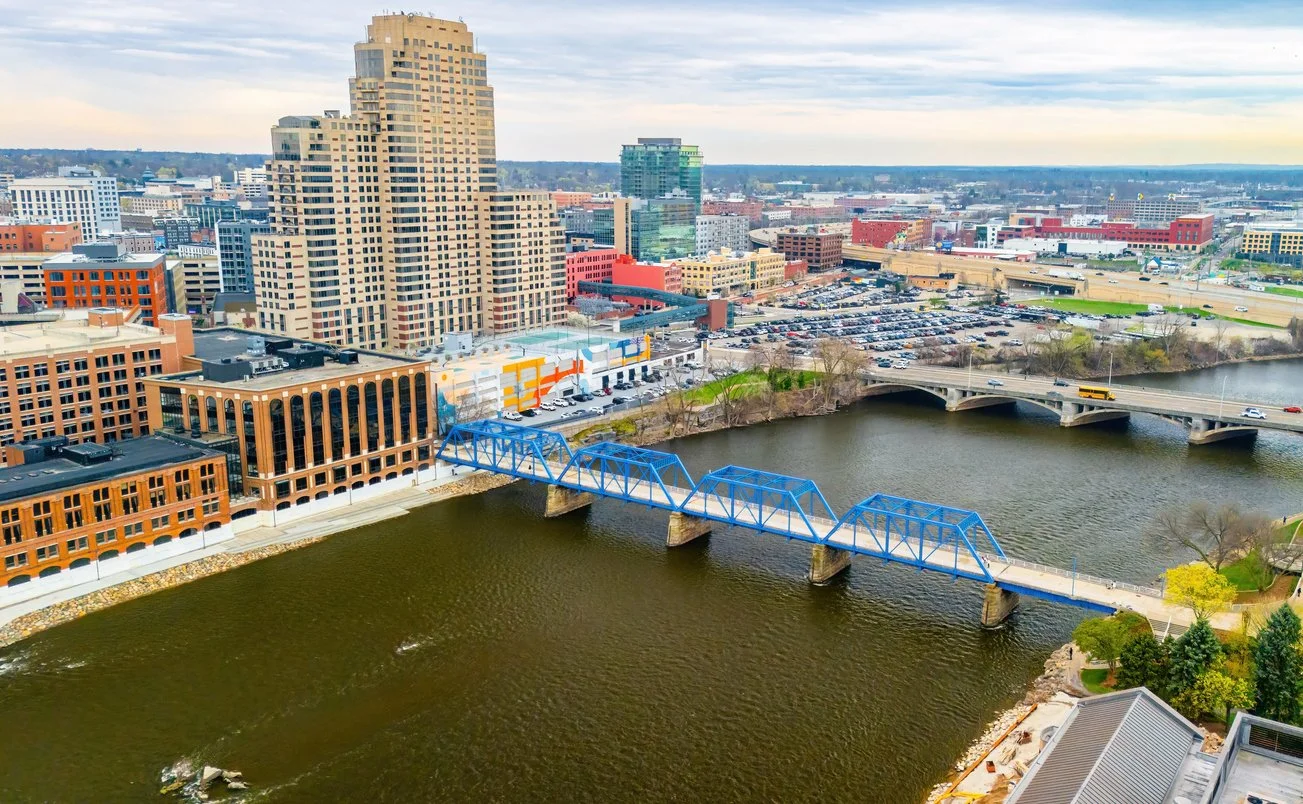
Photo credit: GummyBone
A new report released by TalentFirst finds that West Michigan now produces just four postsecondary graduates for every 10 job openings requiring credentials, a dramatic decline from 2010, when the region produced fifteen graduates for every ten openings.
Demographic shifts, declining postsecondary enrollment, and growing demand for skilled talent are driving the gap. At the same time, nearly half of all jobs in West Michigan are concentrated in occupations exposed to AI-driven transformation and a massive wave of retirements, raising new questions about how employers, educators, and workforce leaders prepare workers for a rapidly changing economy.
"This report is a call to action," said Kevin Stotts, President of TalentFirst. "The data tells us where we stand. The conversations with business leaders helped us understand why these trends matter. Together, they point to the same conclusion: West Michigan must accelerate how it develops talent, aligns education with employer demand, and prepares workers for an economy where human capability and technology work hand in hand.”
The findings are part of TalentFirst's new West Michigan Workforce Trends & Insights 2026 report, a year-long effort combining labor market analytics with insights gathered from nine Industry Deep Dives involving more than 100 CEOs, business leaders, and community stakeholders across West Michigan. The report reflects TalentFirst's commitment to providing business leaders with the insights, data, and solutions needed to strengthen the region's talent pipeline.
“The four-for-ten ratio is not the result of one broken link. It reflects a decade of compounding pressures across the talent pipeline,” said Alex Andrews, Director of Business Intelligence & Workforce Innovation at TalentFirst and lead author of the report. “Smaller student cohorts and declining postsecondary enrollment are producing fewer graduates, while intense demand is leading some employers to hire students before they complete their credentials. The result is roughly 21,000 graduates for nearly 52,000 annual openings requiring credentials. AI can help employers offset labor shortages driven by demographic change, but only if we prepare people to use it effectively and create stronger pathways for them to earn credentials while building careers.”
Key findings from the report include:
West Michigan produces just 4 graduates for every 10 job openings requiring credentials, compared to 15 graduates for every 10 openings in 2010.
The region produces nearly 21,000 postsecondary graduates annually, compared with nearly 52,000 annual job openings requiring credentials. Postsecondary enrollment has declined 29% since 2010, while postsecondary credential completions have declined 16.2% since 2011.
Nearly one in five West Michigan workers is projected to retire by 2035, creating growing succession risks across many of the region's most critical industries.
Nearly 52.9% of jobs are concentrated in occupations with above-average exposure to AI and automation.
More than 328,000 positions involve routine tasks that could be augmented or redesigned through automation and technology.
Demand for durable human skills such as communication, leadership, and problem-solving continues to accelerate across industries.
The report concludes that West Michigan is entering a new phase of talent competition. While employers continue to face shortages in technical, healthcare, professional, and skilled trades occupations, they are also confronting the reality that many traditional entry-level roles are changing as AI and automation become embedded in daily operations. Employers increasingly need workers who can combine technical capability with adaptability, critical thinking, communication, and technology fluency.
This challenge is compounded by a growing wave of retirements as baby boomers exit the workforce. The resulting labor shortage is no longer a future concern, but a demographic reality. Retirements are now projected to outpace new workforce entrants, creating mounting pressure on employers to replace skilled talent, transfer knowledge, and build stronger pathways into leadership and technical careers.
"The challenge facing West Michigan is not a lack of jobs," added Stotts. "The challenge is whether our talent systems can keep pace with the demands of a changing economy. Employers are competing for fewer credentialed workers, while technology is transforming the skills required to succeed. Standing still is not an option."
TalentFirst convened nine Industry Deep Dives beginning in 2025, engaging CEOs and senior leaders from across key sectors of the regional economy. Those discussions were paired with labor market data to identify common workforce challenges, emerging opportunities, and practical strategies employers can implement to strengthen talent pipelines and long-term competitiveness. Learn more here: https://talentfirst.net/download-the-west-michigan-workforce-trends-insights-report-2026/

Community
- Ada
- Algoma
- Allegan
- Allegan County
- Allendale
- Alto
- Baldwin
- Baltimore Township
- Barry County
- Battle Creek
- Belding
- Belmont
- Benton Harbor
- Berrien Springs
- Bridgman
- Bryon Center
- Byron Center
- Caledonia
- Cannonsburg
- Carlton Township
- Carson City
- Cascade
- Cedar Springs
- Cloversville
- Comstock Park
- Coopersville
- Creston
- Crockery Township
- Douglas
- East Grand Rapids
- Eastmanville
- Eastown
- Eaton Rapids
- Fennville
- Ferrysburg
- Forest Hills
- Fruitport
- Georgetown Township
- Grand Haven
- Grand Rapids
- Grandville
- Greenville
- Hamilton
- Hart
- Hastings
- Hastings Township
- Holland
- Hope Township
- Hopkins
- Hudsonville